01What I owned
- Proposed the 'something went wrong' idea that became the basis for the game
- Directed the level design and story of the single-player campaign
- Laid out the core mission structure and implemented multiple level scenarios
- Pushed for the notebook design of the front end and in-game UI
- The AI design of teammates and enemies
- Scripted combat AI and gameplay systems supporting multiple playstyles
02The concept
One of my goals with Fireteam Bravo 3 was to bring a new narrative perspective to the successful Fireteam Bravo series.
Previously the series had been about getting clear orders, going in, executing the orders and getting out, all while being guided by a mission operator that knew everything that was going on.
I proposed the idea, 'what if something went wrong and the Seals had to figure out things on their own?' which eventually became the basis for the game.
The game put a heightened emphasis on the story and on the characters of the SEALs, with the relationship between squadmates used to move the story forward.
03The notebook UI
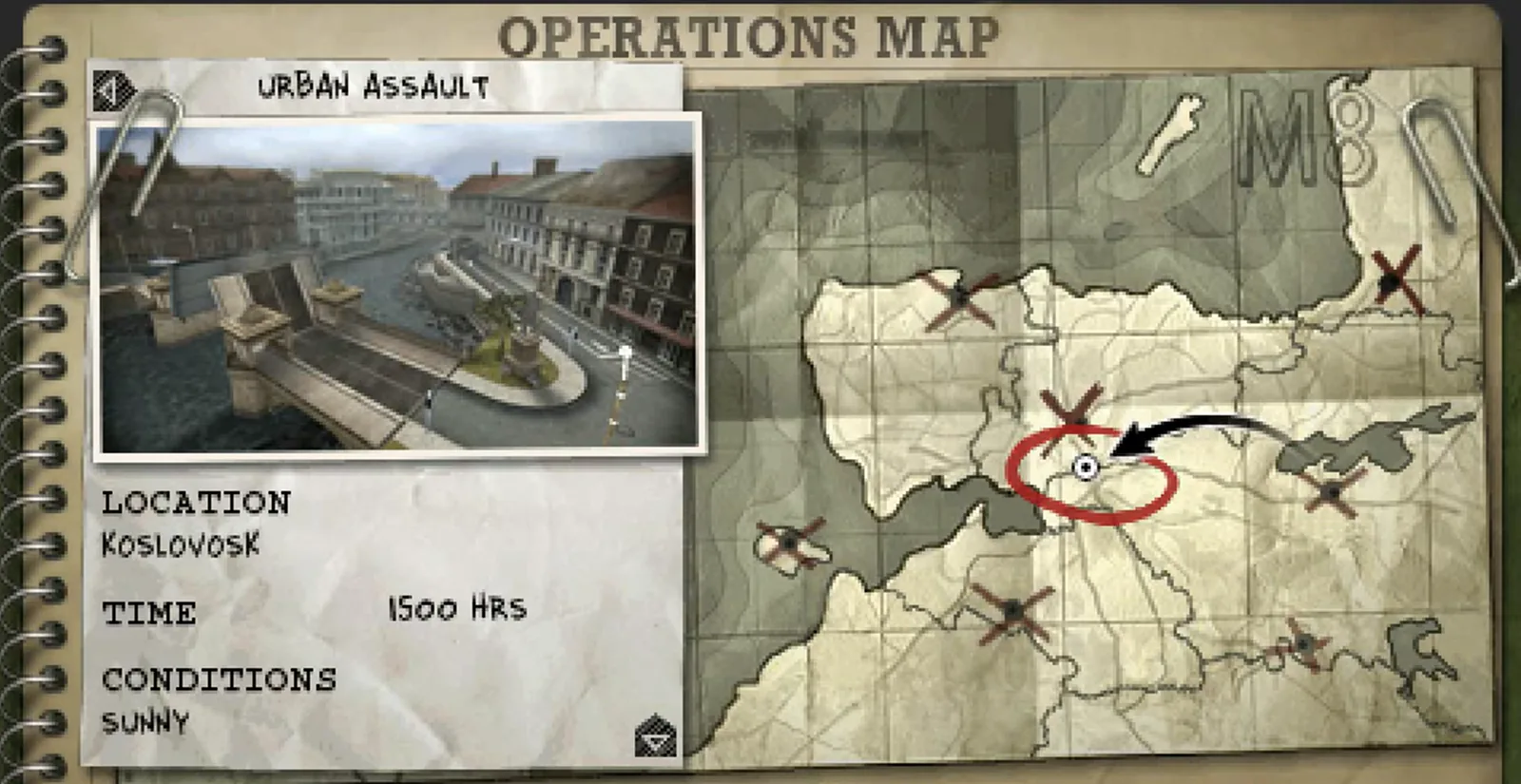
In the first two games, the front end and in-game UI were all high-tech. I pushed for this notebook design to help reinforce this on-the-ground, offline feel.
04Missions and commands
I was responsible for laying out the core mission structure, as well as implementing multiple level scenarios.
We also brought over tactical command elements that we had created in Tactical Strike, where players could give commands to teammates. Each level was also fully playable with online co-op, where these commands would change to verbal orders.
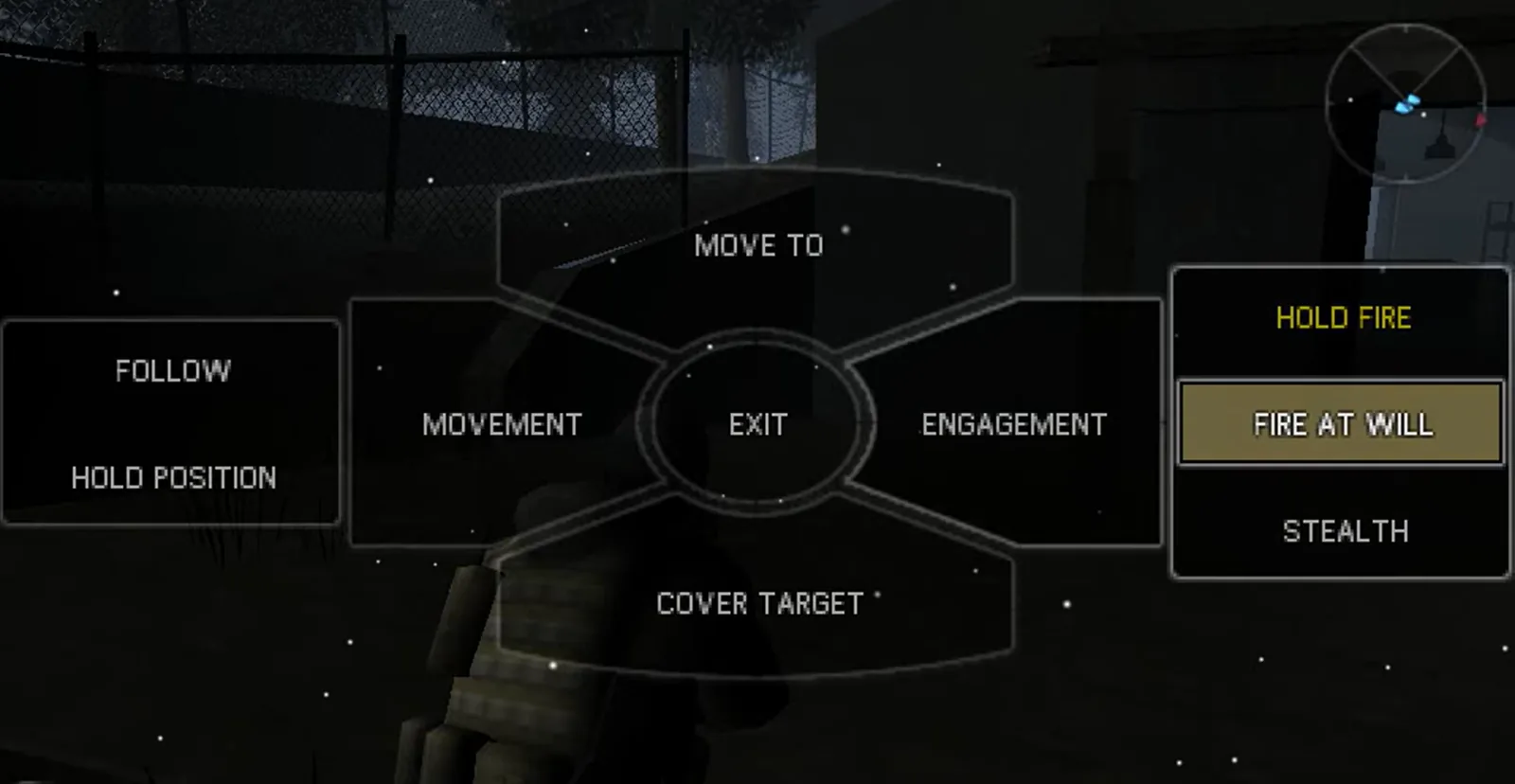
The game supported co-op for two to four players through the single-player campaign, over both ad hoc and infrastructure.
05Teammate AI
I was also responsible for the AI design of teammates and enemies.
Teammates were a particular design challenge because they needed to be always out of the way of the player shooting, but always visible and looking effective.
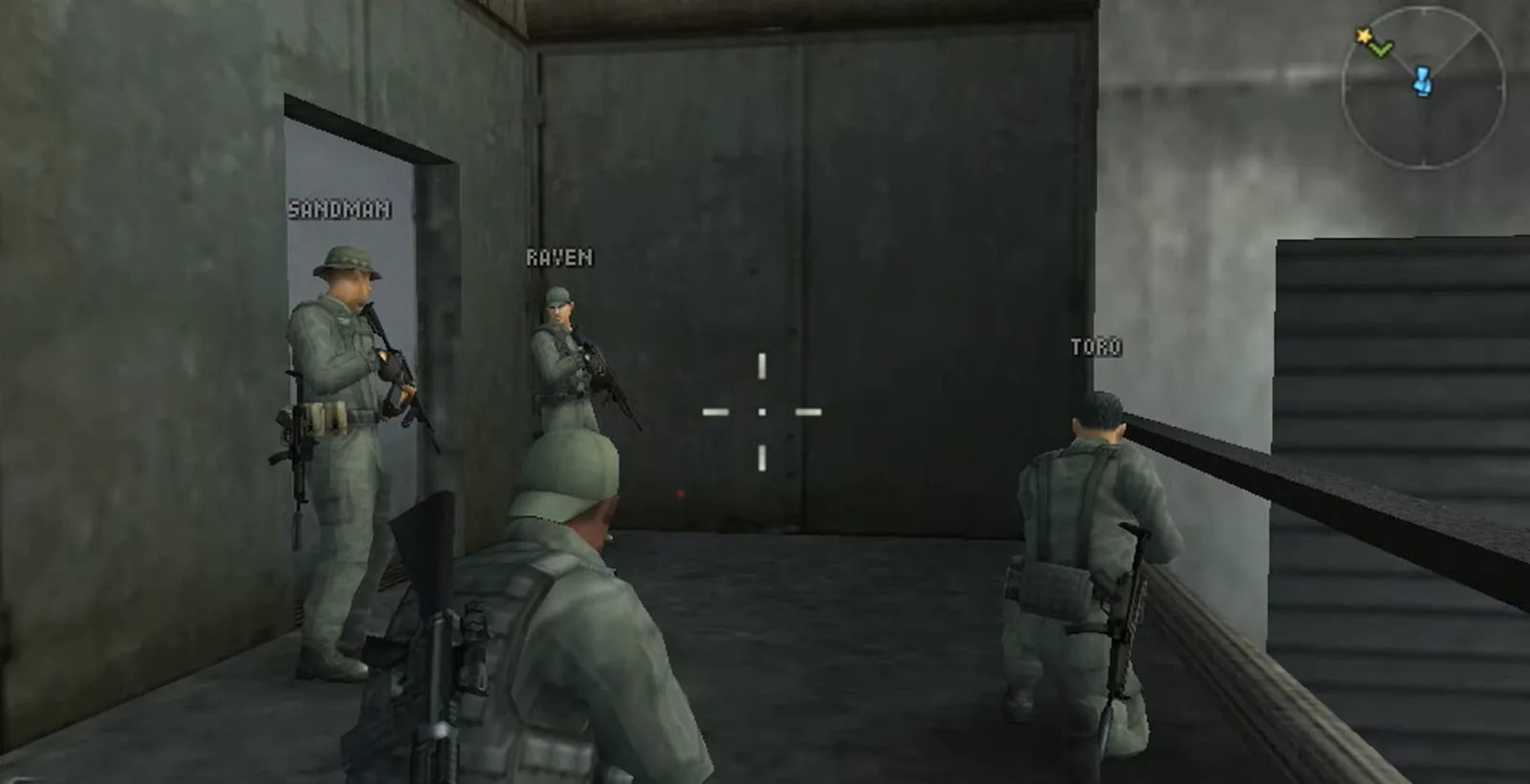
I also designed a system where teammates would head towards where the player needed to go if no enemy threats were detected, to naturally drive the player forward.
06What I learned
My combat work at Slant Six meant working closely with animators and engineers to get behaviors feeling right. That foundation shaped how I think about pacing, player agency, and tuning.