
01What I owned
- Designed and scripted the prototype level that led to the greenlight of the project
- Created the base narrative and mission structure for the game
- Designed the core combat and cover systems, supporting both close-range and long-range combat
- Designed and scripted AI companion behaviors for squad-based co-op gameplay
- Was the point person for design and scripting tools
- Co-created a proprietary scripting language and toolset with the lead engineer
02The prototype
This was a whirlwind of a project. We developed our tools, engine and the game all from the ground up, all within about a year.
I was part of the initial prototyping team, which primarily consisted of myself, an artist and an engineer. We put together a playable concept prototype that was presented to Capcom and allowed for the official greenlight for production of the product.
We had no design lead on the project, and went through two different design directors. I created the base narrative and mission structure for the game, as well as being the point person for design and scripting tools.
The game released in March 2012 on PlayStation 3 and Xbox 360, while I was still at the studio. It has sold 2.80 million units as of June 30, 2026.
03The cover system
One of the design challenges I had was: how do we make an engaging third-person cover-based shooter that also allows for easy melee-based combat?
The typical 'snap-to-cover' was not ideal. Games that had this system would fall apart if swarmed with close-quarter enemies, because players would panic and wrestle with the controls, feeling 'stuck' to cover.

So I decided to make cover automated and context sensitive whenever you were near valid objects. The player's controls and movement remained exactly the same regardless of being in cover or not, which reduced the cognitive load.
04Quick draw and bleeding
One fun feature of the combat system I worked on was the 'Quick draw'. By holding down a button and rotating the analog stick, the player would quickly auto-aim in that direction without moving the camera.

This became very useful when engaging with cover-based shooting enemies in the distance and a sudden swarm of zombies attacked in the middle.
Players could also bleed, which spawned swarms of zombies, but fortunately you could also make enemies bleed, which made for fun strategic advantages and mob management.
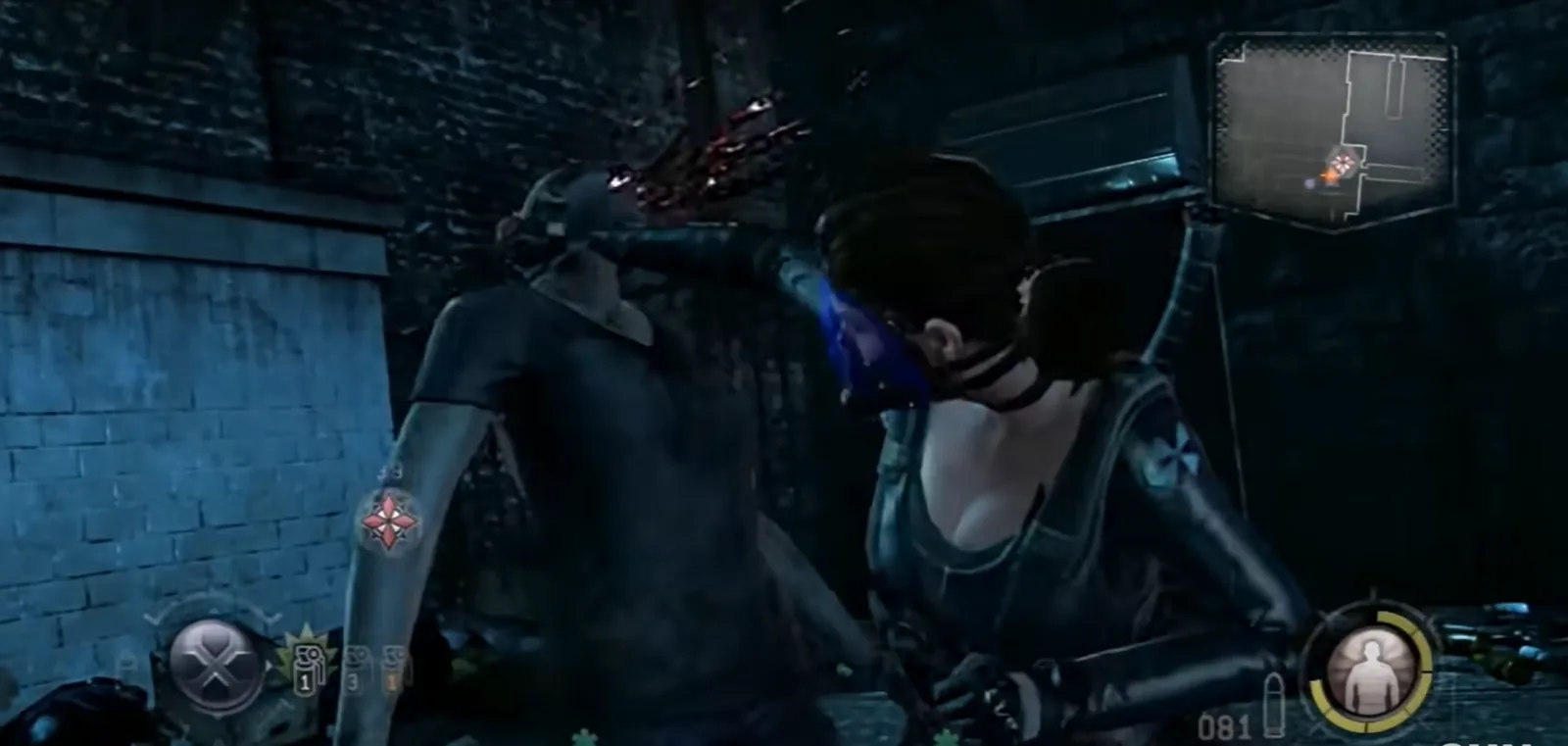
We also had a lot of finisher moves, as well as the ability to take a nearby enemy as a shield. All of these combat features were also available in the multiplayer mode, which made for a unique take on standard third-person shooter fare of the day.
05Scripting tools
At Slant Six, I co-created a proprietary scripting language and toolset with the lead engineer that was adopted studio-wide across the SOCOM franchise and RE: Operation Raccoon City. That wasn't just giving feedback on tools. I was deep in the design of how designers would author gameplay through that system.
06What I learned
These Slant Six projects taught me how to design systems that support different playstyles and create memorable moment-to-moment gameplay. Game engines change, but the fundamentals of building and optimizing maintainable architecture do not.